Vision
Light and motion,
made architectural.
Concept studies for spaces where the artwork becomes part of the environment—shaping atmosphere, orientation, and memory.
01
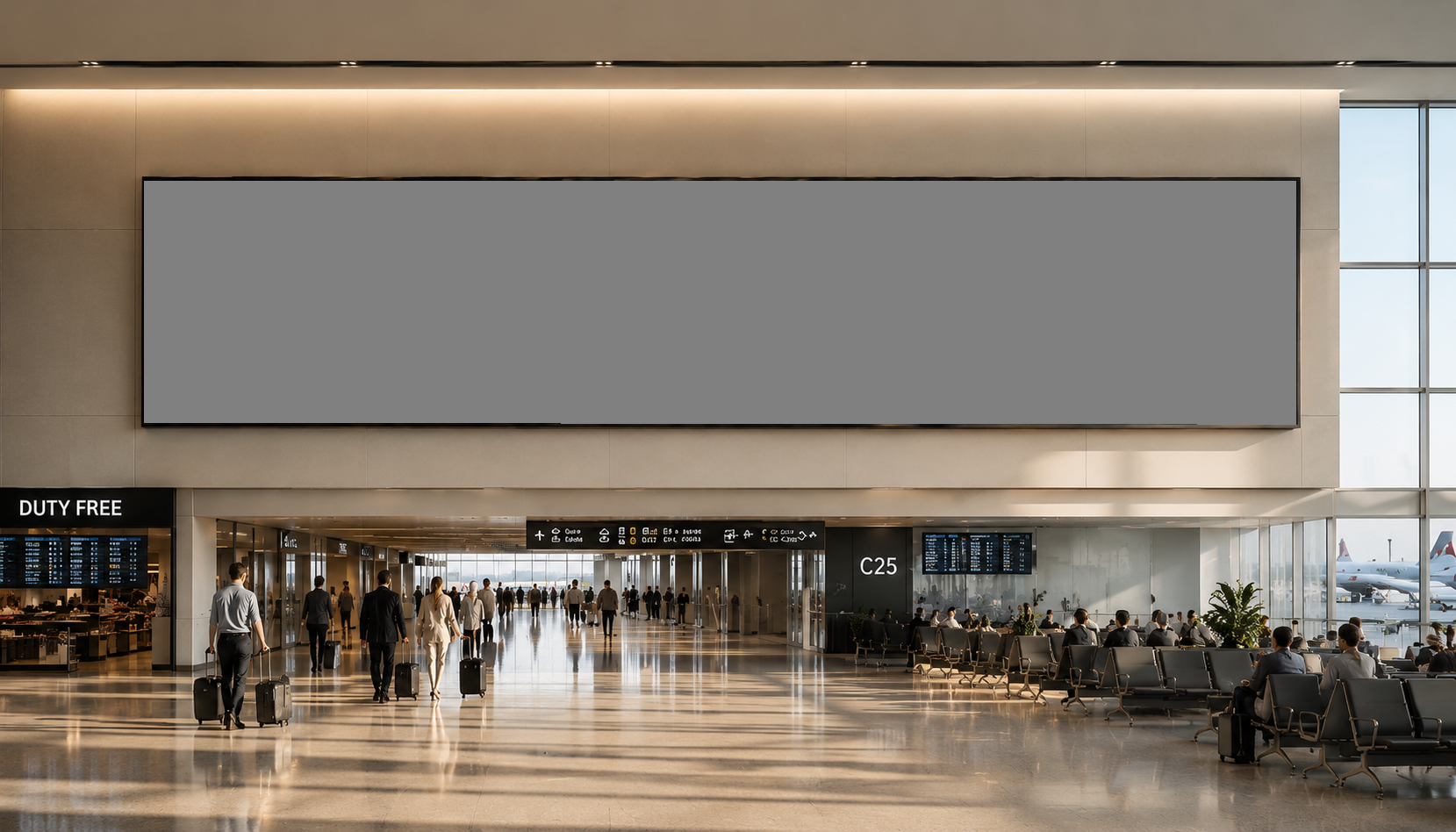
A field of calm in transit
Airports ask us to process thousands of signals at once. A large field of animated light introduces a different rhythm—slow, legible, and quietly restorative.
Integrated along a concourse or threshold, the work can soften visual fatigue while creating a recognizable point of orientation. Motion remains measured. The architecture stays clear. A place designed for movement gains a moment of stillness.
Includes static and animated display options
02
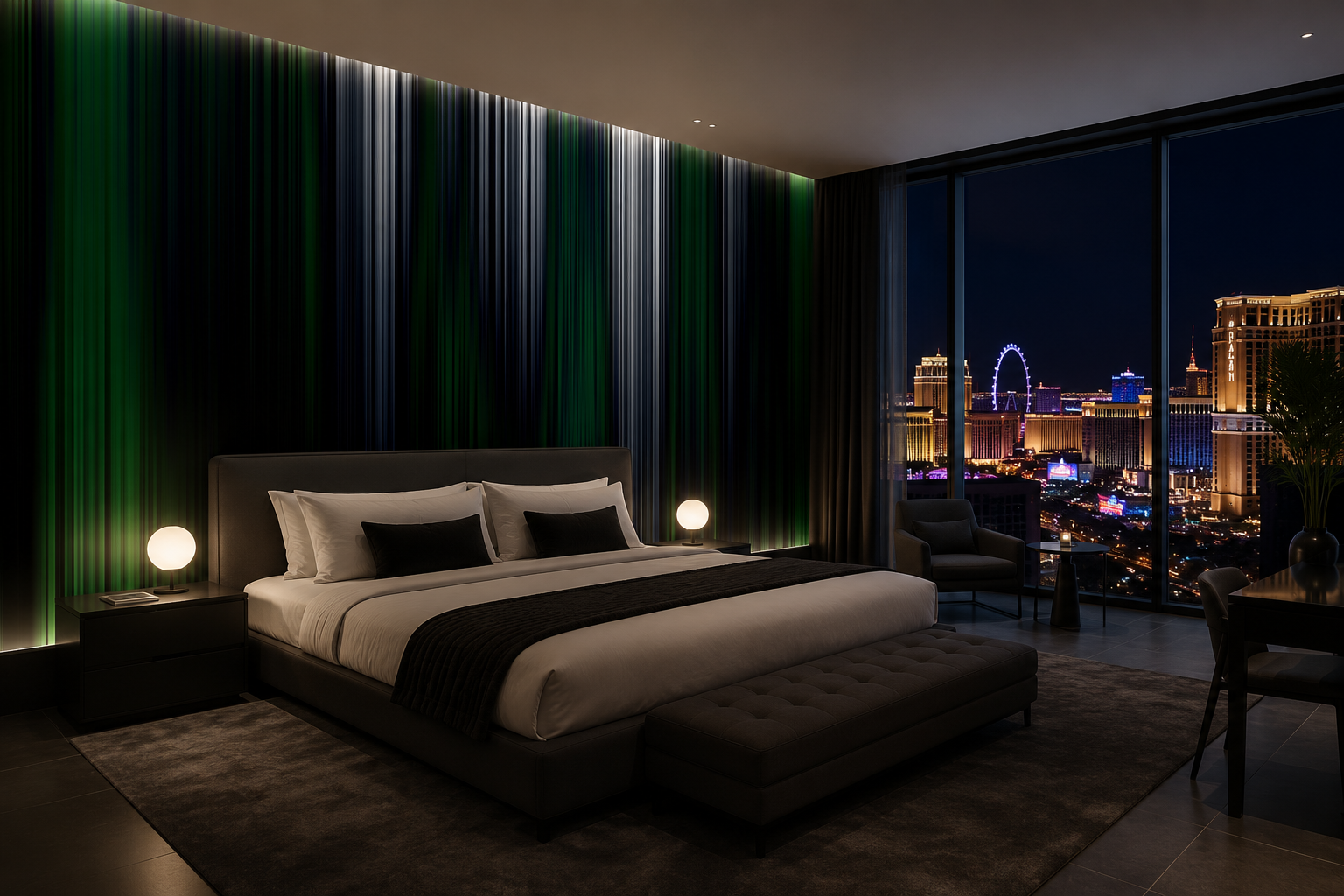
A room with its own atmosphere
The most memorable rooms have a feeling that cannot be separated from their design. Animated artwork becomes part of that atmosphere—shaped by the room’s light, materials, proportions, and view.
Its movement is nearly imperceptible: a gradual change in tone, density, or luminosity across the day. Not decoration placed within a room, but a living surface that belongs to it.
03
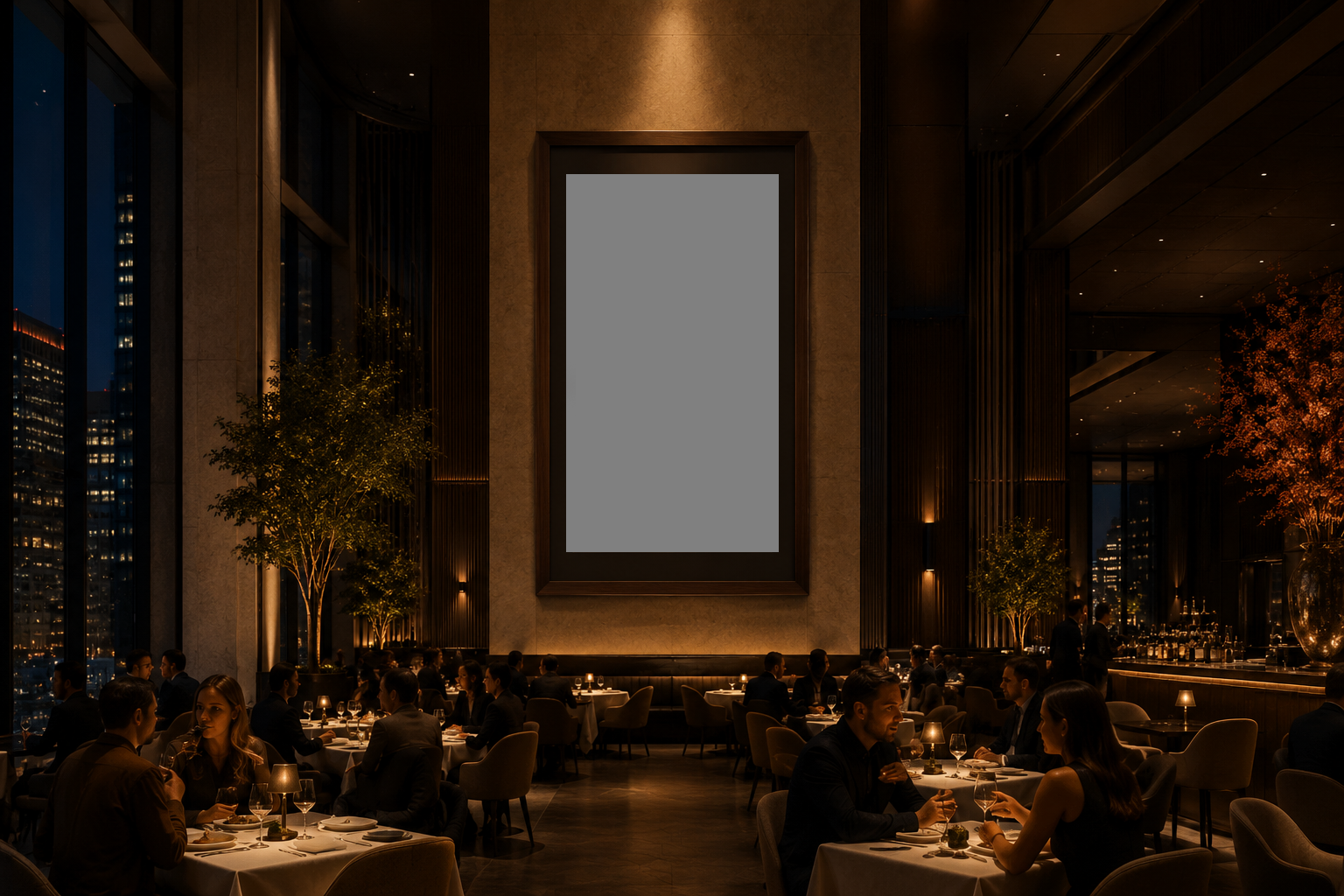
Art as a destination
Hospitality spaces are remembered through moments: an arrival, a table, a quality of light. Monumental digital artwork can hold those moments together and give a venue an identity beyond its program.
Composed for the room and paced for the length of a visit, the work creates a focal point without demanding attention. It becomes part of why people remember the place—and why they return.
Includes static and animated display options
04
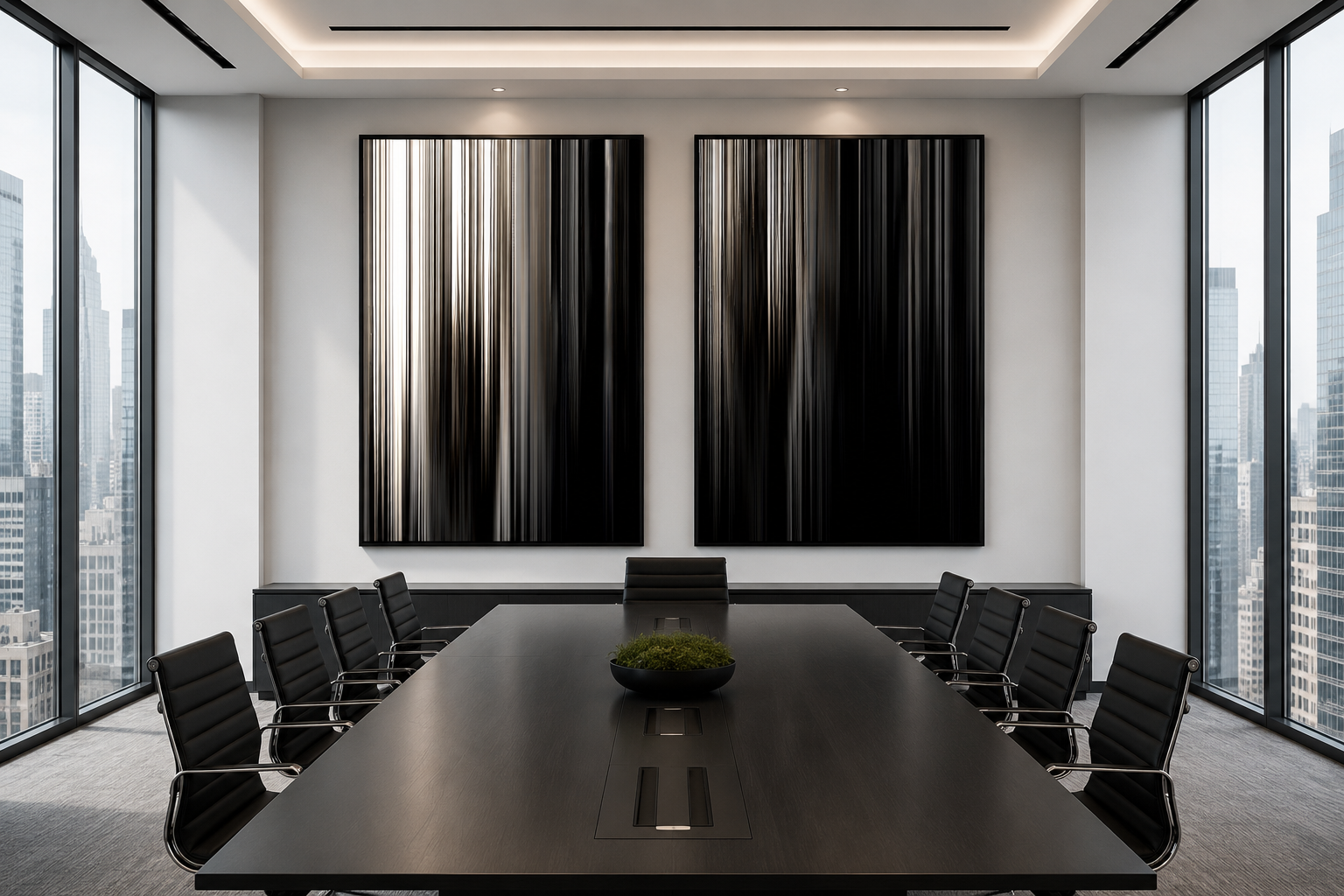
Workspaces that inspire focus
In places shaped by constant information, calm is a functional quality. Slowly evolving artwork gives offices, conference rooms, and headquarters a visual anchor without adding noise.
The composition can respond to daylight, material palettes, and the cadence of the working day. The result is an environment that feels more considered, more human, and easier to inhabit for longer periods of time.
05
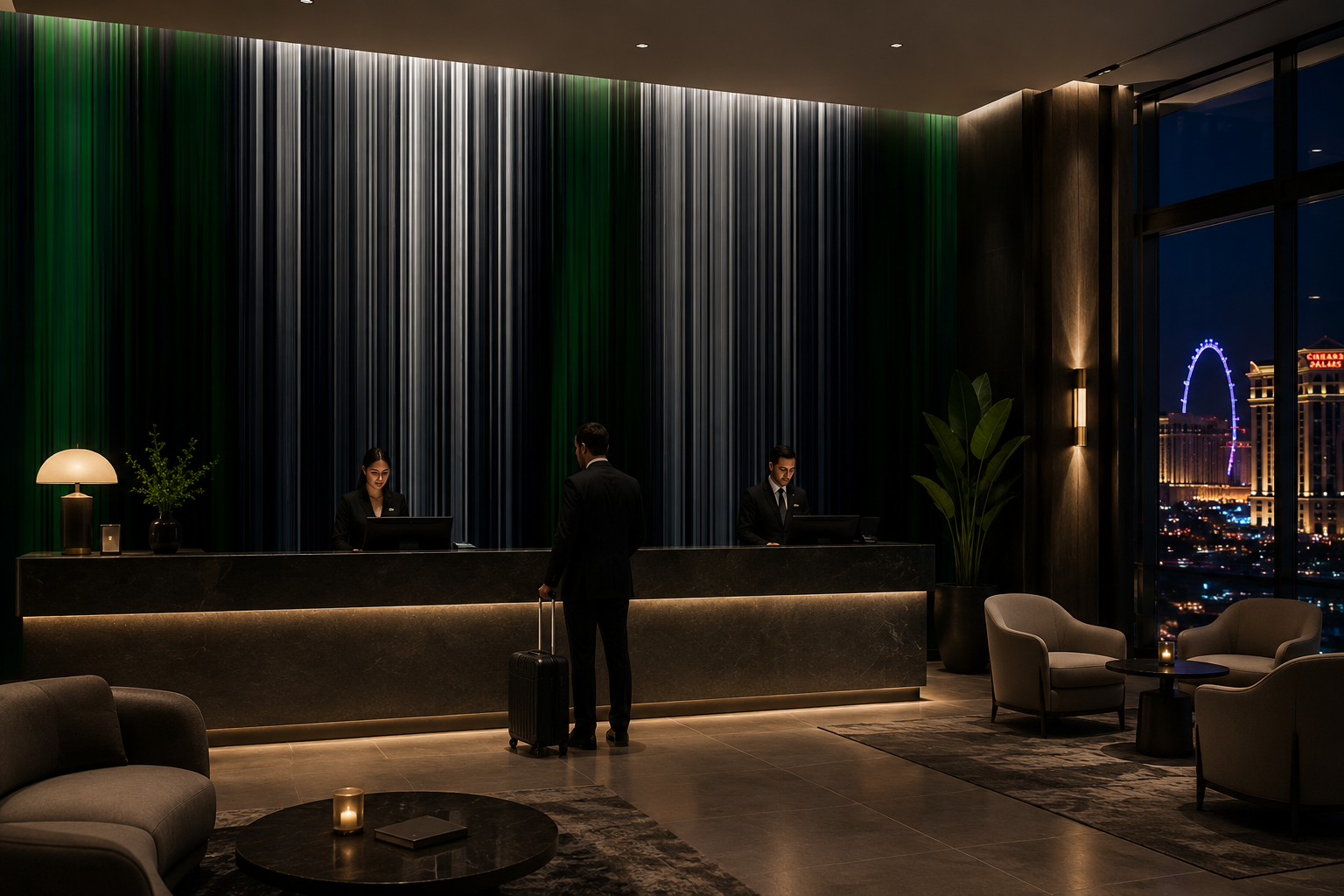
Every space deserves its own identity
No installation begins with a fixed format. It begins with the architecture: how people arrive, where they pause, how daylight moves, and which materials define the space.
Palette, scale, movement, luminosity, and display technology are developed together for that specific environment. The artwork does not simply fit the wall. It gives the space a presence that could belong nowhere else.

06
A living identity for everyday places
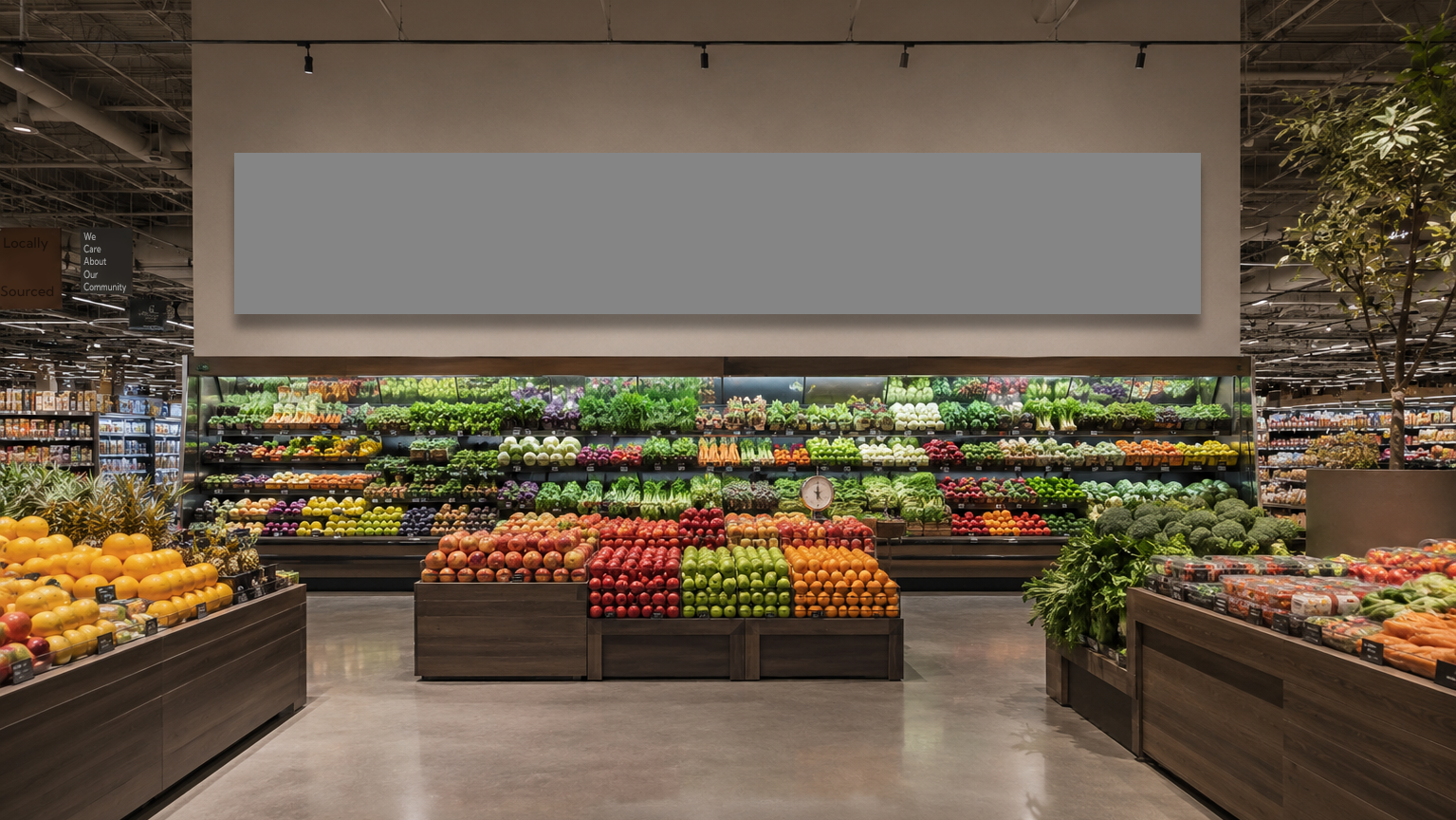
Retail spaces are shaped by rhythm, season, and continual movement. A panoramic field of animated light can gather that energy into a clear visual identity without competing with the environment below.
Placed above fresh produce, the work draws from the warmth and color of the market while creating an unmistakable point of orientation. The installation becomes part of the architecture—and part of the everyday ritual of visiting the space.
Includes real-time animated display options

07
A stage that moves with the object
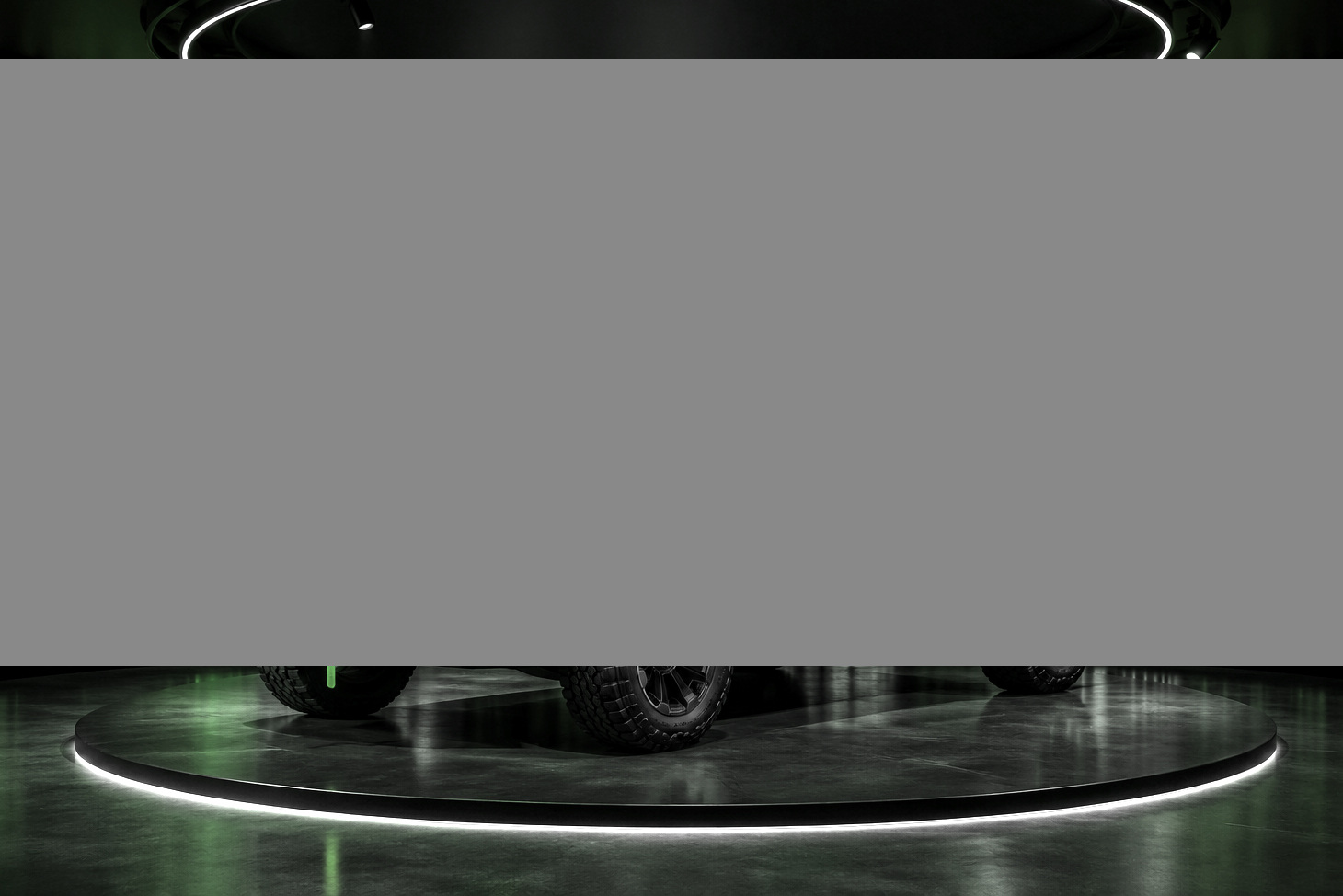
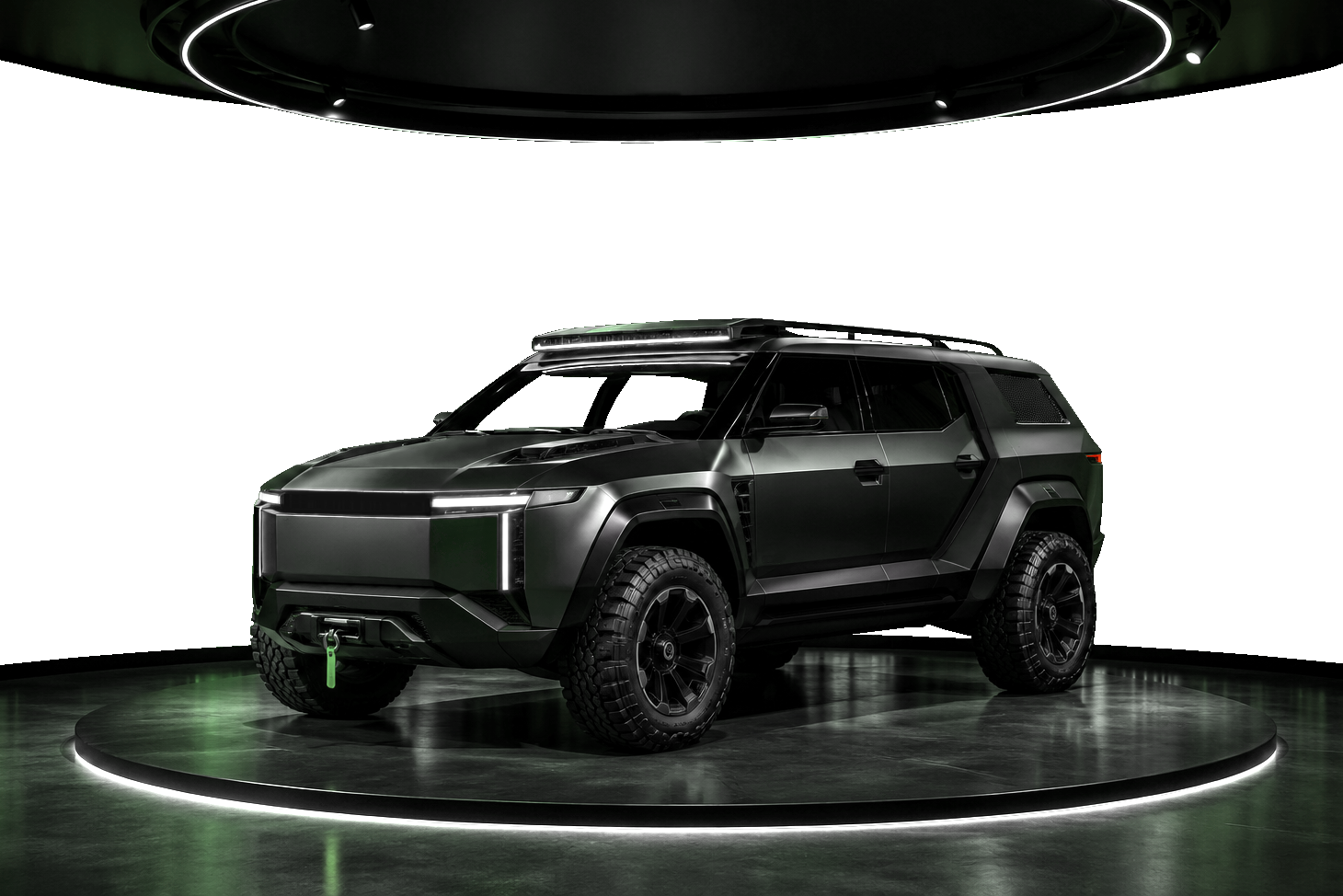
Automotive environments are built around anticipation: the approach, the reveal, and the moment an object becomes fully present. A responsive field of light can shape that sequence without turning the architecture into signage.
Developed for showrooms, launch spaces, and temporary pavilions, the artwork creates a changing spatial backdrop while allowing the vehicle to remain the focal point. Color and movement can evolve with each presentation, giving the same architecture a distinct atmosphere for every arrival.
Includes real-time animated display options